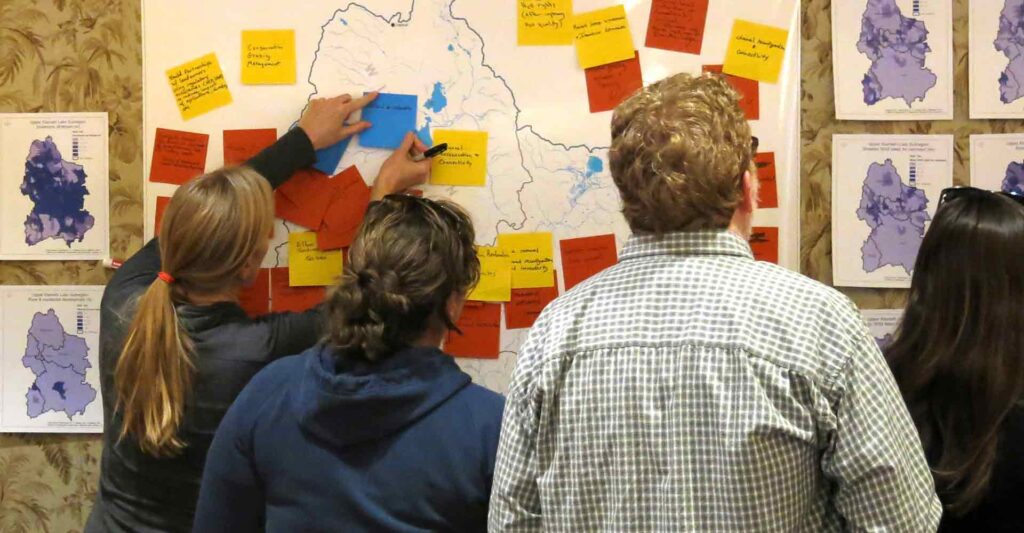
The Integrated Fisheries Restoration and Monitoring Plan (IFRMP) was developed between 2016-2022 in response to expert recommendations for a more transparent, science-driven, and coordinated approach to Klamath Basin restoration. The plan was funded by the U.S. Fish and Wildlife Service (USFWS) and executed through Pacific States Marine Fisheries Commission (PSMFC), which subcontracted ESSA Technologies Ltd. to conduct the majority of the technical work. The USFWS directed the planning team to engage over one hundred experts, practitioners, and natural resource managers in a collaborative planning process. While the IFRMP represents a comprehensive, collaboratively developed scientific foundation, it does not constitute a decision-making body or create federal agency obligations. Implementation of any restoration or monitoring activity requires cooperation and support of federal agencies, Tribes, states, local governments, private landowners, and other stakeholders in the Klamath Basin.
Partners:
Development of the KBMS
The Klamath Basin Monitoring Strategy (KBMS) is being developed in response to the basin’s entry into a new era of resource management following the largest dam removal and river restoration project in history, with the last hydroelectric dam removed in 2024. The Klamath Basin, historically one of the most significant producers of Pacific Coast salmon and other native fishes, has been subject to a long history of competing resource use with severe impacts on aquatic ecosystems and the people who rely on those resources.
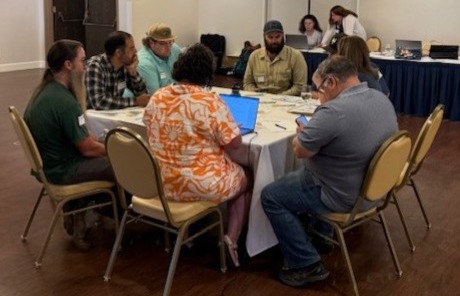
With a complex network of interests and entities involved in monitoring, research, and evaluation across the basin, the KBMS was initiated to provide a more integrated and coordinated approach. The Strategy is funded by USFWS and executed through PSMFC, which subcontracted The Essex Partnership to facilitate the collaborative process. Building upon the foundation of the 2023 IFRMP and implementing IFRMP Recommendations 6.2 II-3 and 6.3 III-1, the collaborative effort brings together participants representing Tribes, federal and state agencies, watershed councils, and other monitoring funders and implementers.